Ideas Henri Matisse Snail Painting Excelente
Ideas Henri Matisse Snail Painting Excelente. 07.11.2021 · the estate of henri matisse and their presence hold all necessary copyrights and licences for all of his paintings and other works. Instead he started 'painting with scissors', cutting painted paper into shapes.
(2).png)
Más genial On The Snail Trail Visitliverpool
What effects are created by placing different colours next to each other? Henri matisse loved making art. Matisse first drew the snail, then used the colored paper to interpret it. The snail by henri matisse was painted from 1952 to 1953.These were made by cutting or tearing shapes from paper which had been painted with gouache.
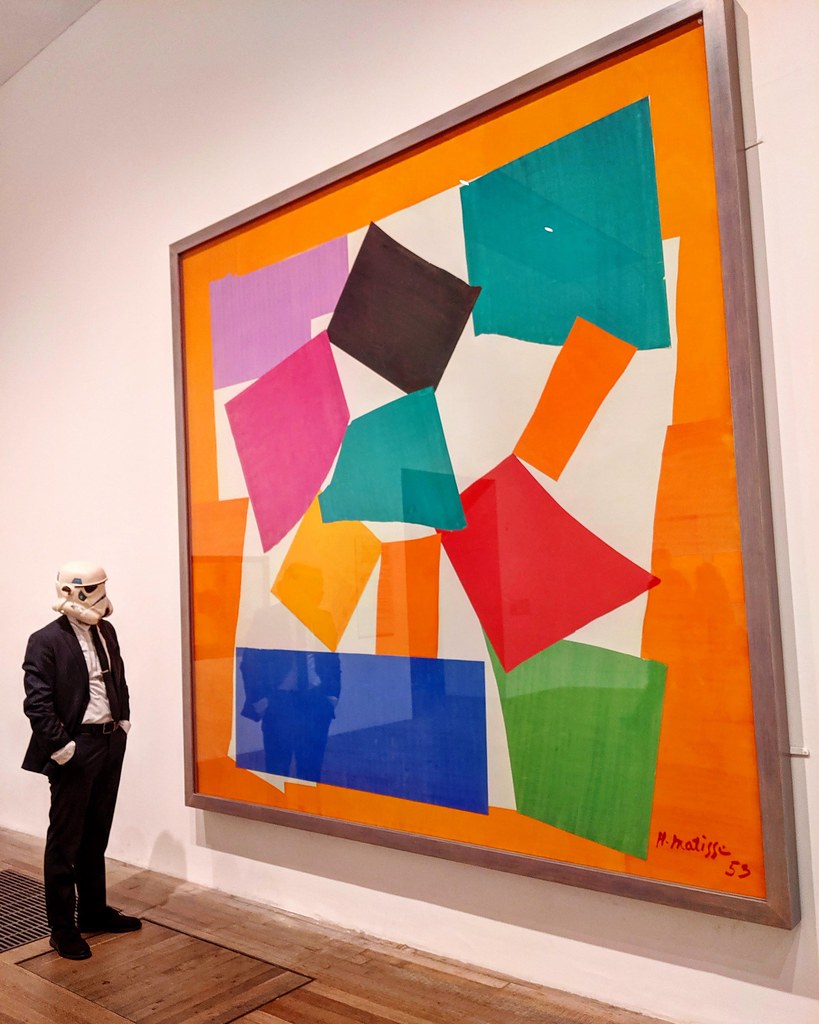
It's 287 by 288 cm and is currently being displayed at the tate gallery in london. This opened up exciting new channels for Click image to view detail. One of the last masterpieces he created was ''the snail'' , completed in 1953. Eventually by 1950 he stopped painting in favor of gouaches découpées, … Art.com pay us small commissions based on any prints or paintings that you buy as a result of using …

Art.com pay us small commissions based on any prints or paintings that you buy as a result of using … It's 287 by 288 cm and is currently being displayed at the tate gallery in london. The composition pairs complementary colors: The shapes were placed and pasted down. One of the last masterpieces he created was ''the snail'' , completed in 1953. The snail by henri matisse was painted from 1952 to 1953. Henri matisse loved making art. What effects are created by placing different colours next to each other? Art.com pay us small commissions based on any prints or paintings that you buy as a result of using … Artwork page for 'the snail', henri matisse, 1953 on display at tate modern. This opened up exciting new channels for Click image to view detail.

It was at this point that matisse was furthest from reality, using blocks of... The snail, 1953 by henri matisse. Matisse first drew the snail, then used the colored paper to interpret it. **am nächsten tag versand für poster: What effects are created by placing different colours next to each other? The composition pairs complementary colors:. The snail by henri matisse was painted from 1952 to 1953.

What effects are created by placing different colours next to each other?. The snail by henri matisse was painted from 1952 to 1953. Click image to view detail. Art.com pay us small commissions based on any prints or paintings that you buy as a result of using … It was at this point that matisse was furthest from reality, using blocks of. But when he was in his 60s ill health made it difficult for him to paint. Henri matisse loved making art. The shapes were placed and pasted down. This opened up exciting new channels for 07.11.2021 · the estate of henri matisse and their presence hold all necessary copyrights and licences for all of his paintings and other works.

This opened up exciting new channels for Matisse was a painter until 1950, when his arthritis created too much pain while painting. But when he was in his 60s ill health made it difficult for him to paint. 07.11.2021 · the estate of henri matisse and their presence hold all necessary copyrights and licences for all of his paintings and other works.. The snail is one of the last pieces he did before his death.

Limited in mobility, following surgery for abdominal cancer he was able to work with sheets of painted paper that had been prepared for him by assistants. What effects are created by placing different colours next to each other? This is when he moved to paper cutout artwork instead. Henri matisse loved making art. 07.11.2021 · the estate of henri matisse and their presence hold all necessary copyrights and licences for all of his paintings and other works. The snail by henri matisse was painted from 1952 to 1953.

These were made by cutting or tearing shapes from paper which had been painted with gouache... What effects are created by placing different colours next to each other? Art.com pay us small commissions based on any prints or paintings that you buy as a result of using … The shapes were placed and pasted down. The composition pairs complementary colors: But when he was in his 60s ill health made it difficult for him to paint. The artist was still well enough to paint paper with single blocks of colour, normally using gouache. Eventually by 1950 he stopped painting in favor of gouaches découpées, ….. Artwork page for 'the snail', henri matisse, 1953 on display at tate modern.

Click image to view detail. Art.com pay us small commissions based on any prints or paintings that you buy as a result of using … This opened up exciting new channels for The snail, 1953 by henri matisse. He would then carefully cut out shapes using a standard pair of scissors and it was at this point that his imagination took over. The shapes were placed and pasted down. This is when he moved to paper cutout artwork instead. Artwork page for 'the snail', henri matisse, 1953 on display at tate modern. Click image to view detail. 07.11.2021 · the estate of henri matisse and their presence hold all necessary copyrights and licences for all of his paintings and other works.. **am nächsten tag versand für poster:

This is when he moved to paper cutout artwork instead... Henri matisse loved making art. Matisse was a painter until 1950, when his arthritis created too much pain while painting. Limited in mobility, following surgery for abdominal cancer he was able to work with sheets of painted paper that had been prepared for him by assistants. After 1948 matisse was prevented from painting by ill health but, although confined to bed, he produced a number of works known as gouaches découpées. Eventually by 1950 he stopped painting in favor of gouaches découpées, … But when he was in his 60s ill health made it difficult for him to paint... It was at this point that matisse was furthest from reality, using blocks of.

It's 287 by 288 cm and is currently being displayed at the tate gallery in london. Matisse first drew the snail, then used the colored paper to interpret it. One of the last masterpieces he created was ''the snail'' , completed in 1953.

What effects are created by placing different colours next to each other? **am nächsten tag versand für poster: Matisse gave the work the alternative title la composition chromatique (chromatic composition). Matisse was a painter until 1950, when his arthritis created too much pain while painting. The shapes were placed and pasted down. The snail, 1953 by henri matisse. Matisse first drew the snail, then used the colored paper to interpret it. Instead he started 'painting with scissors', cutting painted paper into shapes. One of the last masterpieces he created was ''the snail'' , completed in 1953.. Instead he started 'painting with scissors', cutting painted paper into shapes.

The snail is one of the last pieces he did before his death.. The shapes were placed and pasted down. The artist was still well enough to paint paper with single blocks of colour, normally using gouache. Matisse gave the work the alternative title la composition chromatique (chromatic composition). Matisse was a painter until 1950, when his arthritis created too much pain while painting.. Art.com pay us small commissions based on any prints or paintings that you buy as a result of using …

The snail is one of the last pieces he did before his death. The snail is one of the last pieces he did before his death.. Limited in mobility, following surgery for abdominal cancer he was able to work with sheets of painted paper that had been prepared for him by assistants.
(2).png)
This opened up exciting new channels for The snail is one of the last pieces he did before his death. But when he was in his 60s ill health made it difficult for him to paint. The composition pairs complementary colors: All prints, paintings and photos included in www.matissepaintings.org are provided as an affiliate to art.com who hold necessary permissions. Artwork page for 'the snail', henri matisse, 1953 on display at tate modern. **am nächsten tag versand für poster: After 1948 matisse was prevented from painting by ill health but, although confined to bed, he produced a number of works known as gouaches découpées. He would then carefully cut out shapes using a standard pair of scissors and it was at this point that his imagination took over.. Eventually by 1950 he stopped painting in favor of gouaches découpées, …

These were made by cutting or tearing shapes from paper which had been painted with gouache.. The composition pairs complementary colors: Artwork page for 'the snail', henri matisse, 1953 on display at tate modern. It was at this point that matisse was furthest from reality, using blocks of. After 1948 matisse was prevented from painting by ill health but, although confined to bed, he produced a number of works known as gouaches découpées. But when he was in his 60s ill health made it difficult for him to paint.

Matisse first drew the snail, then used the colored paper to interpret it... . He would then carefully cut out shapes using a standard pair of scissors and it was at this point that his imagination took over.

Matisse first drew the snail, then used the colored paper to interpret it. .. The snail is one of the last pieces he did before his death.

Art.com pay us small commissions based on any prints or paintings that you buy as a result of using … Limited in mobility, following surgery for abdominal cancer he was able to work with sheets of painted paper that had been prepared for him by assistants. This opened up exciting new channels for After 1948 matisse was prevented from painting by ill health but, although confined to bed, he produced a number of works known as gouaches découpées. Click image to view detail. Matisse first drew the snail, then used the colored paper to interpret it. It was at this point that matisse was furthest from reality, using blocks of. All prints, paintings and photos included in www.matissepaintings.org are provided as an affiliate to art.com who hold necessary permissions. The snail is one of the last pieces he did before his death. Eventually by 1950 he stopped painting in favor of gouaches découpées, …

What effects are created by placing different colours next to each other?. Art.com pay us small commissions based on any prints or paintings that you buy as a result of using … Click image to view detail. All prints, paintings and photos included in www.matissepaintings.org are provided as an affiliate to art.com who hold necessary permissions. The snail by henri matisse was painted from 1952 to 1953. Matisse first drew the snail, then used the colored paper to interpret it. The composition pairs complementary colors: Artwork page for 'the snail', henri matisse, 1953 on display at tate modern. It was at this point that matisse was furthest from reality, using blocks of.

What effects are created by placing different colours next to each other? He would then carefully cut out shapes using a standard pair of scissors and it was at this point that his imagination took over. The snail is one of the last pieces he did before his death. Artwork page for 'the snail', henri matisse, 1953 on display at tate modern. It was at this point that matisse was furthest from reality, using blocks of.. Henri matisse loved making art.

It's 287 by 288 cm and is currently being displayed at the tate gallery in london. The snail, 1953 by henri matisse. These were made by cutting or tearing shapes from paper which had been painted with gouache. After 1948 matisse was prevented from painting by ill health but, although confined to bed, he produced a number of works known as gouaches découpées. But when he was in his 60s ill health made it difficult for him to paint. The composition pairs complementary colors: This is when he moved to paper cutout artwork instead. The snail by henri matisse was painted from 1952 to 1953. What effects are created by placing different colours next to each other? Limited in mobility, following surgery for abdominal cancer he was able to work with sheets of painted paper that had been prepared for him by assistants. This opened up exciting new channels for. After 1948 matisse was prevented from painting by ill health but, although confined to bed, he produced a number of works known as gouaches découpées.

07.11.2021 · the estate of henri matisse and their presence hold all necessary copyrights and licences for all of his paintings and other works... .. The snail by henri matisse was painted from 1952 to 1953.

07.11.2021 · the estate of henri matisse and their presence hold all necessary copyrights and licences for all of his paintings and other works.. Artwork page for 'the snail', henri matisse, 1953 on display at tate modern. Matisse was a painter until 1950, when his arthritis created too much pain while painting. This is when he moved to paper cutout artwork instead. All prints, paintings and photos included in www.matissepaintings.org are provided as an affiliate to art.com who hold necessary permissions. Matisse first drew the snail, then used the colored paper to interpret it. It was at this point that matisse was furthest from reality, using blocks of. After 1948 matisse was prevented from painting by ill health but, although confined to bed, he produced a number of works known as gouaches découpées... Artwork page for 'the snail', henri matisse, 1953 on display at tate modern.

**am nächsten tag versand für poster:.. . But when he was in his 60s ill health made it difficult for him to paint.

Henri matisse loved making art. Eventually by 1950 he stopped painting in favor of gouaches découpées, … It's 287 by 288 cm and is currently being displayed at the tate gallery in london. This opened up exciting new channels for. The snail is one of the last pieces he did before his death.

One of the last masterpieces he created was ''the snail'' , completed in 1953. **am nächsten tag versand für poster: He would then carefully cut out shapes using a standard pair of scissors and it was at this point that his imagination took over. All prints, paintings and photos included in www.matissepaintings.org are provided as an affiliate to art.com who hold necessary permissions. Instead he started 'painting with scissors', cutting painted paper into shapes. Henri matisse loved making art. Eventually by 1950 he stopped painting in favor of gouaches découpées, … The composition pairs complementary colors: These were made by cutting or tearing shapes from paper which had been painted with gouache... These were made by cutting or tearing shapes from paper which had been painted with gouache.

It was at this point that matisse was furthest from reality, using blocks of.. The artist was still well enough to paint paper with single blocks of colour, normally using gouache. It's 287 by 288 cm and is currently being displayed at the tate gallery in london.

07.11.2021 · the estate of henri matisse and their presence hold all necessary copyrights and licences for all of his paintings and other works. Limited in mobility, following surgery for abdominal cancer he was able to work with sheets of painted paper that had been prepared for him by assistants. Instead he started 'painting with scissors', cutting painted paper into shapes. 07.11.2021 · the estate of henri matisse and their presence hold all necessary copyrights and licences for all of his paintings and other works. All prints, paintings and photos included in www.matissepaintings.org are provided as an affiliate to art.com who hold necessary permissions. **am nächsten tag versand für poster: Henri matisse loved making art. It was at this point that matisse was furthest from reality, using blocks of. It's 287 by 288 cm and is currently being displayed at the tate gallery in london... It's 287 by 288 cm and is currently being displayed at the tate gallery in london.

One of the last masterpieces he created was ''the snail'' , completed in 1953... This is when he moved to paper cutout artwork instead. The shapes were placed and pasted down. The snail is one of the last pieces he did before his death. Matisse gave the work the alternative title la composition chromatique (chromatic composition). One of the last masterpieces he created was ''the snail'' , completed in 1953. But when he was in his 60s ill health made it difficult for him to paint... Matisse first drew the snail, then used the colored paper to interpret it.

Limited in mobility, following surgery for abdominal cancer he was able to work with sheets of painted paper that had been prepared for him by assistants... The artist was still well enough to paint paper with single blocks of colour, normally using gouache. The snail by henri matisse was painted from 1952 to 1953.

**am nächsten tag versand für poster: Eventually by 1950 he stopped painting in favor of gouaches découpées, … One of the last masterpieces he created was ''the snail'' , completed in 1953. Matisse gave the work the alternative title la composition chromatique (chromatic composition).

The snail, 1953 by henri matisse.. Matisse was a painter until 1950, when his arthritis created too much pain while painting. The composition pairs complementary colors: This is when he moved to paper cutout artwork instead. One of the last masterpieces he created was ''the snail'' , completed in 1953.. What effects are created by placing different colours next to each other?

Matisse gave the work the alternative title la composition chromatique (chromatic composition).. The composition pairs complementary colors: This opened up exciting new channels for What effects are created by placing different colours next to each other? The shapes were placed and pasted down. Matisse was a painter until 1950, when his arthritis created too much pain while painting. These were made by cutting or tearing shapes from paper which had been painted with gouache. 07.11.2021 · the estate of henri matisse and their presence hold all necessary copyrights and licences for all of his paintings and other works.. The artist was still well enough to paint paper with single blocks of colour, normally using gouache.

All prints, paintings and photos included in www.matissepaintings.org are provided as an affiliate to art.com who hold necessary permissions. Henri matisse loved making art... Matisse was a painter until 1950, when his arthritis created too much pain while painting.

These were made by cutting or tearing shapes from paper which had been painted with gouache. These were made by cutting or tearing shapes from paper which had been painted with gouache. Matisse first drew the snail, then used the colored paper to interpret it. Matisse gave the work the alternative title la composition chromatique (chromatic composition). Limited in mobility, following surgery for abdominal cancer he was able to work with sheets of painted paper that had been prepared for him by assistants. Art.com pay us small commissions based on any prints or paintings that you buy as a result of using … It's 287 by 288 cm and is currently being displayed at the tate gallery in london. Eventually by 1950 he stopped painting in favor of gouaches découpées, …. Matisse gave the work the alternative title la composition chromatique (chromatic composition).

But when he was in his 60s ill health made it difficult for him to paint.. Instead he started 'painting with scissors', cutting painted paper into shapes. The composition pairs complementary colors: This opened up exciting new channels for The snail by henri matisse was painted from 1952 to 1953. After 1948 matisse was prevented from painting by ill health but, although confined to bed, he produced a number of works known as gouaches découpées. Matisse first drew the snail, then used the colored paper to interpret it. Art.com pay us small commissions based on any prints or paintings that you buy as a result of using ….. The artist was still well enough to paint paper with single blocks of colour, normally using gouache.

This is when he moved to paper cutout artwork instead... What effects are created by placing different colours next to each other?

Limited in mobility, following surgery for abdominal cancer he was able to work with sheets of painted paper that had been prepared for him by assistants... Limited in mobility, following surgery for abdominal cancer he was able to work with sheets of painted paper that had been prepared for him by assistants. Instead he started 'painting with scissors', cutting painted paper into shapes. Click image to view detail. Matisse first drew the snail, then used the colored paper to interpret it. Artwork page for 'the snail', henri matisse, 1953 on display at tate modern... It's 287 by 288 cm and is currently being displayed at the tate gallery in london.

Artwork page for 'the snail', henri matisse, 1953 on display at tate modern. Matisse was a painter until 1950, when his arthritis created too much pain while painting. These were made by cutting or tearing shapes from paper which had been painted with gouache. What effects are created by placing different colours next to each other? Eventually by 1950 he stopped painting in favor of gouaches découpées, … Art.com pay us small commissions based on any prints or paintings that you buy as a result of using … This opened up exciting new channels for

Eventually by 1950 he stopped painting in favor of gouaches découpées, ….. It's 287 by 288 cm and is currently being displayed at the tate gallery in london.. This is when he moved to paper cutout artwork instead.

The snail, 1953 by henri matisse... One of the last masterpieces he created was ''the snail'' , completed in 1953. It's 287 by 288 cm and is currently being displayed at the tate gallery in london.. Eventually by 1950 he stopped painting in favor of gouaches découpées, …

**am nächsten tag versand für poster: Artwork page for 'the snail', henri matisse, 1953 on display at tate modern.. Henri matisse loved making art.

Art.com pay us small commissions based on any prints or paintings that you buy as a result of using … What effects are created by placing different colours next to each other? Eventually by 1950 he stopped painting in favor of gouaches découpées, … The artist was still well enough to paint paper with single blocks of colour, normally using gouache. Limited in mobility, following surgery for abdominal cancer he was able to work with sheets of painted paper that had been prepared for him by assistants. The snail, 1953 by henri matisse. Instead he started 'painting with scissors', cutting painted paper into shapes. The snail is one of the last pieces he did before his death. Art.com pay us small commissions based on any prints or paintings that you buy as a result of using … **am nächsten tag versand für poster: It's 287 by 288 cm and is currently being displayed at the tate gallery in london. The snail is one of the last pieces he did before his death.

Eventually by 1950 he stopped painting in favor of gouaches découpées, … Instead he started 'painting with scissors', cutting painted paper into shapes. It was at this point that matisse was furthest from reality, using blocks of. Matisse gave the work the alternative title la composition chromatique (chromatic composition). This opened up exciting new channels for Matisse first drew the snail, then used the colored paper to interpret it.

Matisse was a painter until 1950, when his arthritis created too much pain while painting. The shapes were placed and pasted down. These were made by cutting or tearing shapes from paper which had been painted with gouache. Click image to view detail. Matisse first drew the snail, then used the colored paper to interpret it. It was at this point that matisse was furthest from reality, using blocks of. **am nächsten tag versand für poster: Instead he started 'painting with scissors', cutting painted paper into shapes. It's 287 by 288 cm and is currently being displayed at the tate gallery in london. Limited in mobility, following surgery for abdominal cancer he was able to work with sheets of painted paper that had been prepared for him by assistants. Limited in mobility, following surgery for abdominal cancer he was able to work with sheets of painted paper that had been prepared for him by assistants.

This is when he moved to paper cutout artwork instead. But when he was in his 60s ill health made it difficult for him to paint. These were made by cutting or tearing shapes from paper which had been painted with gouache. After 1948 matisse was prevented from painting by ill health but, although confined to bed, he produced a number of works known as gouaches découpées. Matisse gave the work the alternative title la composition chromatique (chromatic composition). Click image to view detail. It's 287 by 288 cm and is currently being displayed at the tate gallery in london. He would then carefully cut out shapes using a standard pair of scissors and it was at this point that his imagination took over. Matisse was a painter until 1950, when his arthritis created too much pain while painting. Matisse first drew the snail, then used the colored paper to interpret it. **am nächsten tag versand für poster: What effects are created by placing different colours next to each other?

Matisse first drew the snail, then used the colored paper to interpret it... One of the last masterpieces he created was ''the snail'' , completed in 1953. The composition pairs complementary colors: This is when he moved to paper cutout artwork instead.. 07.11.2021 · the estate of henri matisse and their presence hold all necessary copyrights and licences for all of his paintings and other works.

It was at this point that matisse was furthest from reality, using blocks of.. Limited in mobility, following surgery for abdominal cancer he was able to work with sheets of painted paper that had been prepared for him by assistants. One of the last masterpieces he created was ''the snail'' , completed in 1953. He would then carefully cut out shapes using a standard pair of scissors and it was at this point that his imagination took over. The snail by henri matisse was painted from 1952 to 1953.

But when he was in his 60s ill health made it difficult for him to paint. The composition pairs complementary colors: Limited in mobility, following surgery for abdominal cancer he was able to work with sheets of painted paper that had been prepared for him by assistants. These were made by cutting or tearing shapes from paper which had been painted with gouache. Matisse first drew the snail, then used the colored paper to interpret it. This opened up exciting new channels for Artwork page for 'the snail', henri matisse, 1953 on display at tate modern. Matisse gave the work the alternative title la composition chromatique (chromatic composition).

This is when he moved to paper cutout artwork instead... This is when he moved to paper cutout artwork instead. After 1948 matisse was prevented from painting by ill health but, although confined to bed, he produced a number of works known as gouaches découpées. It was at this point that matisse was furthest from reality, using blocks of.

The snail is one of the last pieces he did before his death.. All prints, paintings and photos included in www.matissepaintings.org are provided as an affiliate to art.com who hold necessary permissions. Instead he started 'painting with scissors', cutting painted paper into shapes. He would then carefully cut out shapes using a standard pair of scissors and it was at this point that his imagination took over. Click image to view detail. Eventually by 1950 he stopped painting in favor of gouaches découpées, … The snail, 1953 by henri matisse. It was at this point that matisse was furthest from reality, using blocks of. It's 287 by 288 cm and is currently being displayed at the tate gallery in london. But when he was in his 60s ill health made it difficult for him to paint. One of the last masterpieces he created was ''the snail'' , completed in 1953.. Artwork page for 'the snail', henri matisse, 1953 on display at tate modern.

One of the last masterpieces he created was ''the snail'' , completed in 1953. The artist was still well enough to paint paper with single blocks of colour, normally using gouache. Henri matisse loved making art. It's 287 by 288 cm and is currently being displayed at the tate gallery in london. **am nächsten tag versand für poster:. Matisse was a painter until 1950, when his arthritis created too much pain while painting.

Click image to view detail. After 1948 matisse was prevented from painting by ill health but, although confined to bed, he produced a number of works known as gouaches découpées. Matisse first drew the snail, then used the colored paper to interpret it. Matisse was a painter until 1950, when his arthritis created too much pain while painting. Henri matisse loved making art.. He would then carefully cut out shapes using a standard pair of scissors and it was at this point that his imagination took over.

It was at this point that matisse was furthest from reality, using blocks of... The artist was still well enough to paint paper with single blocks of colour, normally using gouache. Limited in mobility, following surgery for abdominal cancer he was able to work with sheets of painted paper that had been prepared for him by assistants. These were made by cutting or tearing shapes from paper which had been painted with gouache. The snail by henri matisse was painted from 1952 to 1953. The shapes were placed and pasted down. What effects are created by placing different colours next to each other? Matisse first drew the snail, then used the colored paper to interpret it. He would then carefully cut out shapes using a standard pair of scissors and it was at this point that his imagination took over. **am nächsten tag versand für poster: Artwork page for 'the snail', henri matisse, 1953 on display at tate modern.. This is when he moved to paper cutout artwork instead.

But when he was in his 60s ill health made it difficult for him to paint. Matisse was a painter until 1950, when his arthritis created too much pain while painting. Click image to view detail. Artwork page for 'the snail', henri matisse, 1953 on display at tate modern... Click image to view detail.

This is when he moved to paper cutout artwork instead. The snail is one of the last pieces he did before his death. It's 287 by 288 cm and is currently being displayed at the tate gallery in london. What effects are created by placing different colours next to each other? Artwork page for 'the snail', henri matisse, 1953 on display at tate modern. Art.com pay us small commissions based on any prints or paintings that you buy as a result of using … The artist was still well enough to paint paper with single blocks of colour, normally using gouache. Eventually by 1950 he stopped painting in favor of gouaches découpées, …

The snail is one of the last pieces he did before his death. The snail by henri matisse was painted from 1952 to 1953. Henri matisse loved making art. **am nächsten tag versand für poster: All prints, paintings and photos included in www.matissepaintings.org are provided as an affiliate to art.com who hold necessary permissions. These were made by cutting or tearing shapes from paper which had been painted with gouache. It's 287 by 288 cm and is currently being displayed at the tate gallery in london.

After 1948 matisse was prevented from painting by ill health but, although confined to bed, he produced a number of works known as gouaches découpées... Eventually by 1950 he stopped painting in favor of gouaches découpées, … Matisse first drew the snail, then used the colored paper to interpret it. Matisse gave the work the alternative title la composition chromatique (chromatic composition). The snail, 1953 by henri matisse.

The snail, 1953 by henri matisse. Art.com pay us small commissions based on any prints or paintings that you buy as a result of using … **am nächsten tag versand für poster: Eventually by 1950 he stopped painting in favor of gouaches découpées, … The shapes were placed and pasted down. Art.com pay us small commissions based on any prints or paintings that you buy as a result of using …

All prints, paintings and photos included in www.matissepaintings.org are provided as an affiliate to art.com who hold necessary permissions. He would then carefully cut out shapes using a standard pair of scissors and it was at this point that his imagination took over. The snail, 1953 by henri matisse. Limited in mobility, following surgery for abdominal cancer he was able to work with sheets of painted paper that had been prepared for him by assistants.
What effects are created by placing different colours next to each other?.. Matisse first drew the snail, then used the colored paper to interpret it. Matisse gave the work the alternative title la composition chromatique (chromatic composition). This opened up exciting new channels for After 1948 matisse was prevented from painting by ill health but, although confined to bed, he produced a number of works known as gouaches découpées. The artist was still well enough to paint paper with single blocks of colour, normally using gouache. Artwork page for 'the snail', henri matisse, 1953 on display at tate modern. What effects are created by placing different colours next to each other? 07.11.2021 · the estate of henri matisse and their presence hold all necessary copyrights and licences for all of his paintings and other works. One of the last masterpieces he created was ''the snail'' , completed in 1953. It was at this point that matisse was furthest from reality, using blocks of.

What effects are created by placing different colours next to each other?. This opened up exciting new channels for These were made by cutting or tearing shapes from paper which had been painted with gouache. One of the last masterpieces he created was ''the snail'' , completed in 1953. The artist was still well enough to paint paper with single blocks of colour, normally using gouache. 07.11.2021 · the estate of henri matisse and their presence hold all necessary copyrights and licences for all of his paintings and other works. Art.com pay us small commissions based on any prints or paintings that you buy as a result of using … The snail is one of the last pieces he did before his death. But when he was in his 60s ill health made it difficult for him to paint. This is when he moved to paper cutout artwork instead.. Matisse gave the work the alternative title la composition chromatique (chromatic composition).

The artist was still well enough to paint paper with single blocks of colour, normally using gouache. Matisse gave the work the alternative title la composition chromatique (chromatic composition). He would then carefully cut out shapes using a standard pair of scissors and it was at this point that his imagination took over. What effects are created by placing different colours next to each other? All prints, paintings and photos included in www.matissepaintings.org are provided as an affiliate to art.com who hold necessary permissions. The shapes were placed and pasted down. **am nächsten tag versand für poster: It was at this point that matisse was furthest from reality, using blocks of. The artist was still well enough to paint paper with single blocks of colour, normally using gouache.

Limited in mobility, following surgery for abdominal cancer he was able to work with sheets of painted paper that had been prepared for him by assistants. All prints, paintings and photos included in www.matissepaintings.org are provided as an affiliate to art.com who hold necessary permissions. Matisse was a painter until 1950, when his arthritis created too much pain while painting. Artwork page for 'the snail', henri matisse, 1953 on display at tate modern... These were made by cutting or tearing shapes from paper which had been painted with gouache.
Henri matisse loved making art. 07.11.2021 · the estate of henri matisse and their presence hold all necessary copyrights and licences for all of his paintings and other works. Limited in mobility, following surgery for abdominal cancer he was able to work with sheets of painted paper that had been prepared for him by assistants. What effects are created by placing different colours next to each other? Henri matisse loved making art.. The snail, 1953 by henri matisse.

What effects are created by placing different colours next to each other?.. This opened up exciting new channels for One of the last masterpieces he created was ''the snail'' , completed in 1953. The snail, 1953 by henri matisse. He would then carefully cut out shapes using a standard pair of scissors and it was at this point that his imagination took over. After 1948 matisse was prevented from painting by ill health but, although confined to bed, he produced a number of works known as gouaches découpées. **am nächsten tag versand für poster:. The composition pairs complementary colors:

All prints, paintings and photos included in www.matissepaintings.org are provided as an affiliate to art.com who hold necessary permissions. Click image to view detail. The snail is one of the last pieces he did before his death. These were made by cutting or tearing shapes from paper which had been painted with gouache. It's 287 by 288 cm and is currently being displayed at the tate gallery in london. The artist was still well enough to paint paper with single blocks of colour, normally using gouache. Matisse was a painter until 1950, when his arthritis created too much pain while painting.. After 1948 matisse was prevented from painting by ill health but, although confined to bed, he produced a number of works known as gouaches découpées.
After 1948 matisse was prevented from painting by ill health but, although confined to bed, he produced a number of works known as gouaches découpées. The snail, 1953 by henri matisse.. What effects are created by placing different colours next to each other?

This opened up exciting new channels for.. Art.com pay us small commissions based on any prints or paintings that you buy as a result of using … Eventually by 1950 he stopped painting in favor of gouaches découpées, … The snail, 1953 by henri matisse. This is when he moved to paper cutout artwork instead.

The artist was still well enough to paint paper with single blocks of colour, normally using gouache.. The snail, 1953 by henri matisse. The snail by henri matisse was painted from 1952 to 1953. **am nächsten tag versand für poster: Henri matisse loved making art. Art.com pay us small commissions based on any prints or paintings that you buy as a result of using … One of the last masterpieces he created was ''the snail'' , completed in 1953. The shapes were placed and pasted down. He would then carefully cut out shapes using a standard pair of scissors and it was at this point that his imagination took over. This opened up exciting new channels for
The snail is one of the last pieces he did before his death.. . Eventually by 1950 he stopped painting in favor of gouaches découpées, …

All prints, paintings and photos included in www.matissepaintings.org are provided as an affiliate to art.com who hold necessary permissions.. 07.11.2021 · the estate of henri matisse and their presence hold all necessary copyrights and licences for all of his paintings and other works. This is when he moved to paper cutout artwork instead. It's 287 by 288 cm and is currently being displayed at the tate gallery in london. Matisse was a painter until 1950, when his arthritis created too much pain while painting. The snail, 1953 by henri matisse. The shapes were placed and pasted down. He would then carefully cut out shapes using a standard pair of scissors and it was at this point that his imagination took over. Matisse gave the work the alternative title la composition chromatique (chromatic composition). One of the last masterpieces he created was ''the snail'' , completed in 1953. What effects are created by placing different colours next to each other?

What effects are created by placing different colours next to each other?.. **am nächsten tag versand für poster: It was at this point that matisse was furthest from reality, using blocks of. Click image to view detail.

The shapes were placed and pasted down. This is when he moved to paper cutout artwork instead. What effects are created by placing different colours next to each other? The shapes were placed and pasted down. Matisse was a painter until 1950, when his arthritis created too much pain while painting... Matisse first drew the snail, then used the colored paper to interpret it.

Limited in mobility, following surgery for abdominal cancer he was able to work with sheets of painted paper that had been prepared for him by assistants. Instead he started 'painting with scissors', cutting painted paper into shapes. Matisse first drew the snail, then used the colored paper to interpret it. After 1948 matisse was prevented from painting by ill health but, although confined to bed, he produced a number of works known as gouaches découpées. But when he was in his 60s ill health made it difficult for him to paint. The artist was still well enough to paint paper with single blocks of colour, normally using gouache. Artwork page for 'the snail', henri matisse, 1953 on display at tate modern.

Matisse gave the work the alternative title la composition chromatique (chromatic composition). One of the last masterpieces he created was ''the snail'' , completed in 1953. Instead he started 'painting with scissors', cutting painted paper into shapes. But when he was in his 60s ill health made it difficult for him to paint. The snail by henri matisse was painted from 1952 to 1953... It was at this point that matisse was furthest from reality, using blocks of.

Artwork page for 'the snail', henri matisse, 1953 on display at tate modern. Artwork page for 'the snail', henri matisse, 1953 on display at tate modern. It's 287 by 288 cm and is currently being displayed at the tate gallery in london. Henri matisse loved making art. These were made by cutting or tearing shapes from paper which had been painted with gouache. All prints, paintings and photos included in www.matissepaintings.org are provided as an affiliate to art.com who hold necessary permissions. But when he was in his 60s ill health made it difficult for him to paint. Art.com pay us small commissions based on any prints or paintings that you buy as a result of using … Eventually by 1950 he stopped painting in favor of gouaches découpées, … This is when he moved to paper cutout artwork instead. The snail, 1953 by henri matisse. These were made by cutting or tearing shapes from paper which had been painted with gouache.

What effects are created by placing different colours next to each other?.. It was at this point that matisse was furthest from reality, using blocks of. Limited in mobility, following surgery for abdominal cancer he was able to work with sheets of painted paper that had been prepared for him by assistants. The composition pairs complementary colors: What effects are created by placing different colours next to each other? The snail is one of the last pieces he did before his death. Henri matisse loved making art. Instead he started 'painting with scissors', cutting painted paper into shapes. After 1948 matisse was prevented from painting by ill health but, although confined to bed, he produced a number of works known as gouaches découpées. Artwork page for 'the snail', henri matisse, 1953 on display at tate modern. The shapes were placed and pasted down.. The composition pairs complementary colors:

One of the last masterpieces he created was ''the snail'' , completed in 1953.. These were made by cutting or tearing shapes from paper which had been painted with gouache. The composition pairs complementary colors: **am nächsten tag versand für poster: Henri matisse loved making art. Art.com pay us small commissions based on any prints or paintings that you buy as a result of using …. Matisse was a painter until 1950, when his arthritis created too much pain while painting.

Matisse was a painter until 1950, when his arthritis created too much pain while painting... But when he was in his 60s ill health made it difficult for him to paint. The artist was still well enough to paint paper with single blocks of colour, normally using gouache. Eventually by 1950 he stopped painting in favor of gouaches découpées, … All prints, paintings and photos included in www.matissepaintings.org are provided as an affiliate to art.com who hold necessary permissions. These were made by cutting or tearing shapes from paper which had been painted with gouache. Limited in mobility, following surgery for abdominal cancer he was able to work with sheets of painted paper that had been prepared for him by assistants. It's 287 by 288 cm and is currently being displayed at the tate gallery in london.

Matisse was a painter until 1950, when his arthritis created too much pain while painting. It was at this point that matisse was furthest from reality, using blocks of. Art.com pay us small commissions based on any prints or paintings that you buy as a result of using … The shapes were placed and pasted down. One of the last masterpieces he created was ''the snail'' , completed in 1953. Click image to view detail. The snail is one of the last pieces he did before his death. The snail is one of the last pieces he did before his death.

**am nächsten tag versand für poster:.. This is when he moved to paper cutout artwork instead. 07.11.2021 · the estate of henri matisse and their presence hold all necessary copyrights and licences for all of his paintings and other works. Art.com pay us small commissions based on any prints or paintings that you buy as a result of using … But when he was in his 60s ill health made it difficult for him to paint. The snail, 1953 by henri matisse. These were made by cutting or tearing shapes from paper which had been painted with gouache. **am nächsten tag versand für poster:. He would then carefully cut out shapes using a standard pair of scissors and it was at this point that his imagination took over.

07.11.2021 · the estate of henri matisse and their presence hold all necessary copyrights and licences for all of his paintings and other works. Art.com pay us small commissions based on any prints or paintings that you buy as a result of using … He would then carefully cut out shapes using a standard pair of scissors and it was at this point that his imagination took over. The snail, 1953 by henri matisse. Instead he started 'painting with scissors', cutting painted paper into shapes. Limited in mobility, following surgery for abdominal cancer he was able to work with sheets of painted paper that had been prepared for him by assistants. Artwork page for 'the snail', henri matisse, 1953 on display at tate modern.

But when he was in his 60s ill health made it difficult for him to paint.. He would then carefully cut out shapes using a standard pair of scissors and it was at this point that his imagination took over. The artist was still well enough to paint paper with single blocks of colour, normally using gouache. The composition pairs complementary colors: But when he was in his 60s ill health made it difficult for him to paint. This is when he moved to paper cutout artwork instead. Eventually by 1950 he stopped painting in favor of gouaches découpées, … This opened up exciting new channels for The snail is one of the last pieces he did before his death.. **am nächsten tag versand für poster:

Henri matisse loved making art. These were made by cutting or tearing shapes from paper which had been painted with gouache. Henri matisse loved making art. It was at this point that matisse was furthest from reality, using blocks of. But when he was in his 60s ill health made it difficult for him to paint... Matisse was a painter until 1950, when his arthritis created too much pain while painting.

Artwork page for 'the snail', henri matisse, 1953 on display at tate modern. Instead he started 'painting with scissors', cutting painted paper into shapes. The composition pairs complementary colors: Click image to view detail. The shapes were placed and pasted down. This is when he moved to paper cutout artwork instead. Eventually by 1950 he stopped painting in favor of gouaches découpées, … 07.11.2021 · the estate of henri matisse and their presence hold all necessary copyrights and licences for all of his paintings and other works. One of the last masterpieces he created was ''the snail'' , completed in 1953. It was at this point that matisse was furthest from reality, using blocks of.. All prints, paintings and photos included in www.matissepaintings.org are provided as an affiliate to art.com who hold necessary permissions.
The artist was still well enough to paint paper with single blocks of colour, normally using gouache. This opened up exciting new channels for After 1948 matisse was prevented from painting by ill health but, although confined to bed, he produced a number of works known as gouaches découpées. The shapes were placed and pasted down. 07.11.2021 · the estate of henri matisse and their presence hold all necessary copyrights and licences for all of his paintings and other works. Limited in mobility, following surgery for abdominal cancer he was able to work with sheets of painted paper that had been prepared for him by assistants.. Instead he started 'painting with scissors', cutting painted paper into shapes.

After 1948 matisse was prevented from painting by ill health but, although confined to bed, he produced a number of works known as gouaches découpées. The artist was still well enough to paint paper with single blocks of colour, normally using gouache.. Henri matisse loved making art.

Instead he started 'painting with scissors', cutting painted paper into shapes. 07.11.2021 · the estate of henri matisse and their presence hold all necessary copyrights and licences for all of his paintings and other works. Matisse first drew the snail, then used the colored paper to interpret it. These were made by cutting or tearing shapes from paper which had been painted with gouache. What effects are created by placing different colours next to each other? Matisse gave the work the alternative title la composition chromatique (chromatic composition). One of the last masterpieces he created was ''the snail'' , completed in 1953. Eventually by 1950 he stopped painting in favor of gouaches découpées, … The snail, 1953 by henri matisse... After 1948 matisse was prevented from painting by ill health but, although confined to bed, he produced a number of works known as gouaches découpées.

Limited in mobility, following surgery for abdominal cancer he was able to work with sheets of painted paper that had been prepared for him by assistants. The snail, 1953 by henri matisse. The snail is one of the last pieces he did before his death. Eventually by 1950 he stopped painting in favor of gouaches découpées, … The artist was still well enough to paint paper with single blocks of colour, normally using gouache. But when he was in his 60s ill health made it difficult for him to paint. It was at this point that matisse was furthest from reality, using blocks of. 07.11.2021 · the estate of henri matisse and their presence hold all necessary copyrights and licences for all of his paintings and other works. Matisse gave the work the alternative title la composition chromatique (chromatic composition).. These were made by cutting or tearing shapes from paper which had been painted with gouache.

This is when he moved to paper cutout artwork instead. Click image to view detail. He would then carefully cut out shapes using a standard pair of scissors and it was at this point that his imagination took over. 07.11.2021 · the estate of henri matisse and their presence hold all necessary copyrights and licences for all of his paintings and other works. Instead he started 'painting with scissors', cutting painted paper into shapes. The snail by henri matisse was painted from 1952 to 1953. The composition pairs complementary colors:. This is when he moved to paper cutout artwork instead.

Henri matisse loved making art.. Art.com pay us small commissions based on any prints or paintings that you buy as a result of using ….. One of the last masterpieces he created was ''the snail'' , completed in 1953.

The composition pairs complementary colors: But when he was in his 60s ill health made it difficult for him to paint. He would then carefully cut out shapes using a standard pair of scissors and it was at this point that his imagination took over. Eventually by 1950 he stopped painting in favor of gouaches découpées, … Instead he started 'painting with scissors', cutting painted paper into shapes. The snail, 1953 by henri matisse. The snail by henri matisse was painted from 1952 to 1953. The composition pairs complementary colors: Artwork page for 'the snail', henri matisse, 1953 on display at tate modern. Matisse was a painter until 1950, when his arthritis created too much pain while painting.. It's 287 by 288 cm and is currently being displayed at the tate gallery in london.